
To enhance the city’s cleanliness and environmental quality while implementing the Ministry of Environment’s “Environmental Sanitation Promotion Program,” the Hsinchu City Government has launched the 2025–2030 Environmental Sanitation Promotion Action Plan. Led by Acting Mayor Chiu Chen-Yuan, the initiative focuses on three major strategies: cross-departmental collaboration, technological innovation, and public participation.
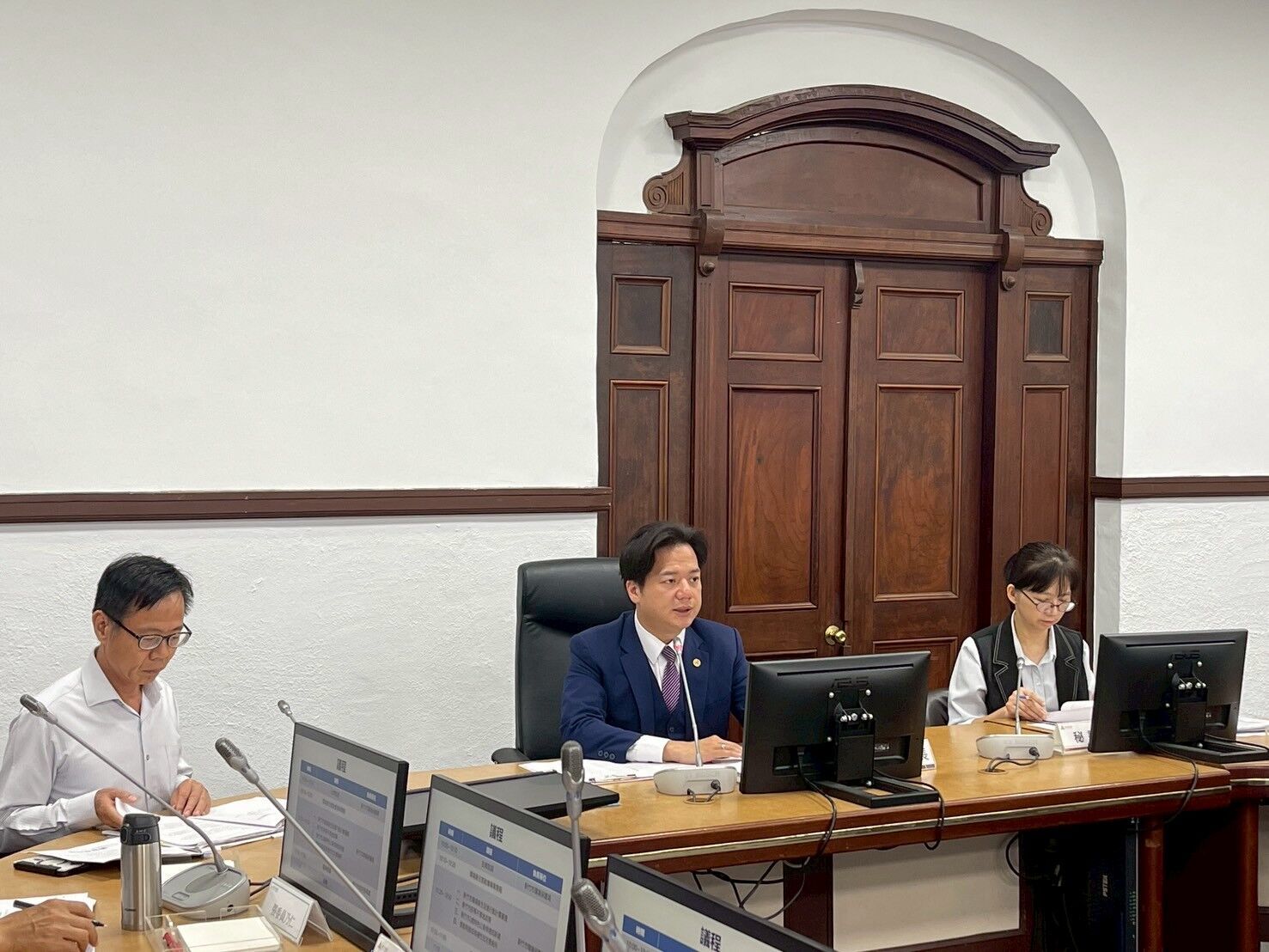
On September 23, 2025, the city officially established the Environmental Sanitation Promotion Committee, which will hold regular meetings with external experts and representatives from all municipal departments to jointly discuss environmental sanitation policies. Topics include the Environmental Sanitation Promotion Action Plan, the “No Cigarette Butts on the Ground” policy, the development of distinctive public restrooms, and the construction and renovation of gender-friendly facilities. Through these efforts, the city government demonstrates its determination to promote sustainable development through sound environmental governance and to build a clean, livable, and sustainable Hsinchu City.
Acting Mayor Chiu emphasized that environmental sanitation is not merely about cleanliness but is closely tied to a city’s competitiveness. As Taiwan’s leading technology hub, Hsinchu must pursue urban construction and industrial development that meet high international environmental standards. The establishment of the Environmental Sanitation Promotion Committee aims to integrate the resources of all departments, turning the enhancement of urban cleanliness into a shared civic effort and making Hsinchu a cleaner, safer, and more livable city.
According to the Bureau of Environmental Protection, the Environmental Sanitation Promotion Action Plan serves as a comprehensive blueprint encompassing six major strategies. These include the formation of the Environmental Sanitation Promotion Committee, the integration of technology into environmental management, the cultivation of professional talent in ecological management, the strengthening of self-management capabilities among government agencies and businesses, the encouragement of corporate participation and civic engagement, and the development of localized strategies for effective regional governance. In total, the plan establishes thirty-one performance indicators to ensure measurable progress toward a cleaner and more sustainable Hsinchu.
Sources: Hsinchu City Government
