In response to increasingly frequent extreme rainfall events, the Hydraulic Engineering Office (HEO) of the Public Works Department, Taipei City Government, stated that the city is continuously upgrading its flood management approach. As a city facing both high flood risk and one of the most complex underground utility networks, Taipei has shifted from a traditional drainage-focused approach to a flood resilience-oriented model, integrating risk forecasting, real-time response, and rapid recovery to strengthen its capacity to address climate change.
According to the HEO, on the infrastructure front, the city will raise the drainage system design capacity from 78.8 mm to 88.8 mm per hour. Through diversified strategies such as detention, runoff control, and integrated land development planning, Taipei aims to reduce flood risks. In addition, an underground detention pipe approximately 1,100 meters in length has been installed beneath Dunhua North Road, with a storage capacity of around 32,000 cubic meters of rainwater, effectively easing drainage pressure and mitigating flooding in surrounding areas.
At the same time, the HEO is advancing source control and community-based disaster prevention. Flood protection baseline policy for public buildings have been implemented, requiring newly constructed public buildings to set ground-floor elevations at least 30 cm above ground level of the building site to reduce flood risk. Communities are also being guided to establish community-based disaster prevention organizations to strengthen local response capacity. Meanwhile, a rainwater sewer rehabilitation program is extending the service life of aging pipelines through trenchless repair methods, minimizing traffic disruption while ensuring stable drainage system operations.
In addition to strengthening existing flood control infrastructure, the HEO is actively incorporating artificial intelligence (AI) and Internet of Things (IoT) technologies to progressively build a smart disaster prevention system, moving toward becoming a world-class disaster-resilient city. All 88 pumping stations across Taipei have been equipped with automated monitoring systems, enabling real-time activation based on water levels and enabling the central control center to monitor citywide drainage conditions. An AI-based flood forecasting system can predict potential flooding hotspots 30 to 60 minutes in advance, allowing for proactive deployment of response resources. In addition, a generative AI disaster knowledge system has been developed to integrate operational experience with standard procedures, improving frontline response efficiency.
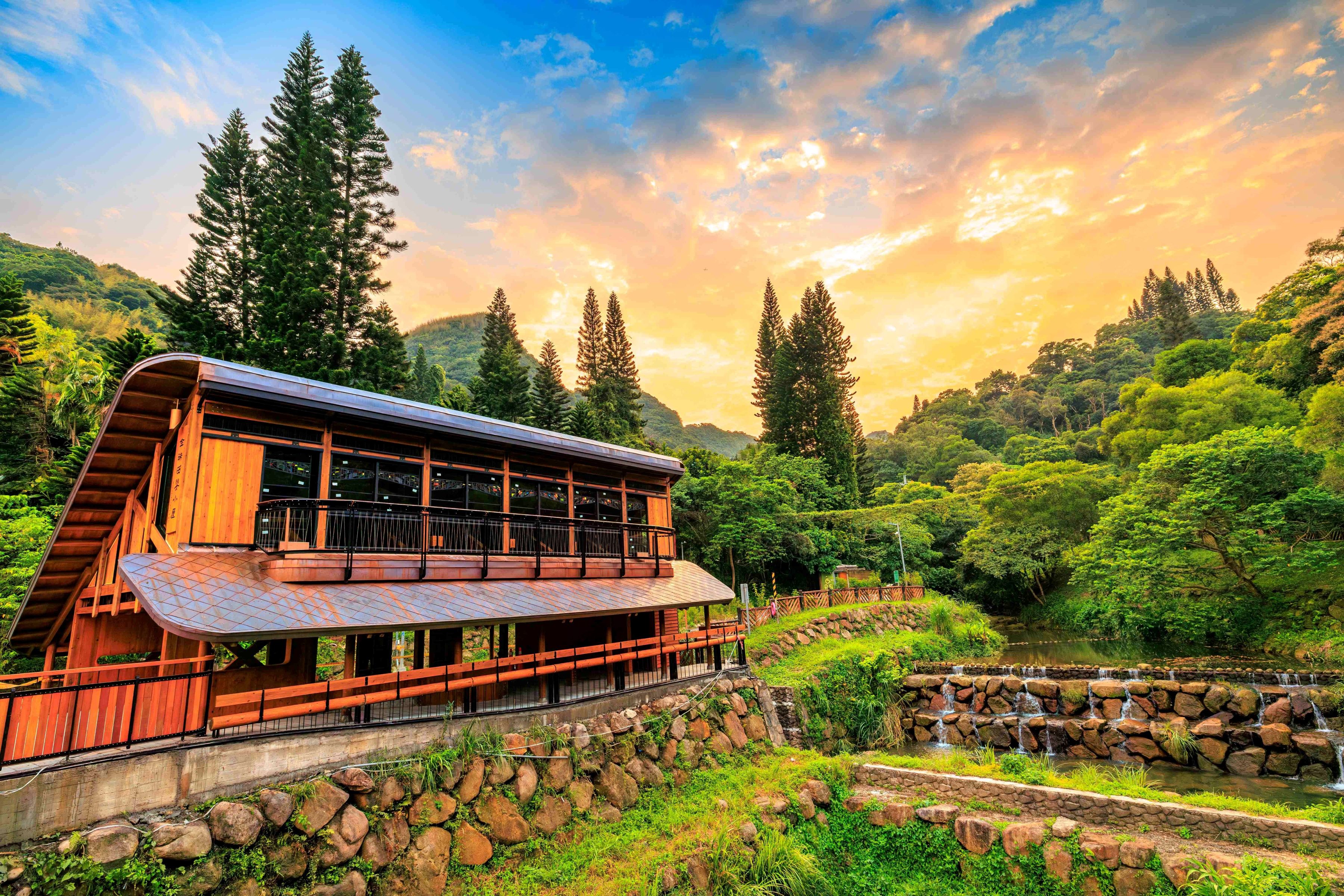
The HEO is also promoting ecological flood management, creating waterfront spaces that integrate both disaster mitigation and environmental functions. The Huanggang River has been revitalized through channel improvements and vegetation integration, restoring a more natural riverside environment. Meanwhile, the Jinrui Flood Management Park serves as a recreational space under normal conditions and functions as a detention basin during heavy rainfall, demonstrating the benefits of multi-functional flood management.
Looking ahead, the HEO will continue to prioritize flood safety, ecological sustainability, and smart governance, refining its water management strategies to build a safe, resilient, and livable urban environment. The public is also encouraged to follow the official LINE account “TaipeiHEO” for real-time water information and to strengthen disaster preparedness through collective effort.
Sources: Taipei City Government
